

Electric Certificates For Landlords - Your Responsibilities
It is essential to maintain your home if you're a landlord. Particularly, you'll need to ensure that the electrics in your property are safe and conform to certain standards.
Landlords must get their electrical systems inspected and tested at regular intervals by a qualified person. These inspections are known as EICRs or electrical installation condition reports.
Legal Requirements
There are many responsibilities that landlords must fulfill to keep their properties and tenants safe, and electrical safety laws are no exception. Faulty wiring is a leading cause of fires in homes across the UK. It is essential that landlords follow the required measures to ensure that their electrical systems in your property are safe.
The landlords must make sure that the electrical wiring within their property is in good order before they can let it out to tenants. This can prevent damage to your property and will save you money in the long-term.
As a landlord, you'll be required to carry out regular inspections and testing of your electrical installation in order to comply with these legal requirements. This involves an electrician visiting your property to examine and test the electrical systems and preparing the report outlining any issues that have been found and any remedial work that is needed.
The law requires that all tenants who rent an apartment must receive an updated copy of the most recent report. Also, you must provide the local authorities with this report when it requests it.
While you don't need an electronic certificate for each rental, it's a good idea to have one in case your last one expired more that five years ago. The EICR is an official document that outlines the results of the tests and any remedial work needed. It is essential that you have this document in order to provide the required information to your tenants and local authorities.
It is recommended that an EICR should be collected every 10 years. However, this has been changed to a more flexible five-year requirement from July 2020.
This means that if your tenancy was began prior to the change in regulations, then you won't have to worry about obtaining a an electrical certificate for the first time up to April 1, 2021. You'll need to get it updated as soon as is possible in the case that your tenancy is extended or your previous one expires.
Making sure your tenants are safe
When you let a property it is your responsibility to make sure that the electrical installations are safe. This could involve hiring a certified engineer examine the property and test its electrics.
There are legal requirements that you have to meet to keep your tenants safe in the property for example, making sure that everyone who carries out work to gas appliances or flues is registered on the Gas Safe register. If you fail to adhere to these regulations, you could face an administrative fine from your local authority.
An electrician can conduct an independent professional electrical inspection. This will help you find any issues with your electrical system and save you a lot when something goes wrong.
The best option is to employ a certified and licensed electrician to perform the inspection. Make sure that you have a valid EICR certificate in hand following the inspection completed. This is a document that will inform the landlord and local authorities as well as anyone else who needs it that your electrical installation was inspected in line with the current regulations.
This is a great method to prevent any future problems with your property's electrics. It can also reduce the chance of injury or fire. It is also recommended that you provide an electronic copy of the EICR to the new tenants, so that they are aware that you are protecting them.
If the inspector has marked any areas on your EICR that require improvement, you will need to address the issue immediately. If the report is accompanied by C1 or C2 classifications, it is a sign of urgency. C1 or C2 classification, this means that there is a direct danger to your tenant or other tenants within the building. You need to immediately get this remedial work completed.
If you don't take corrective measures, your local authority may issue a reprimand and impose a financial penalty. This could be as high as up to PS30,000.
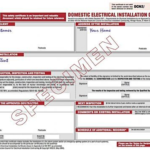
If your electrical installation is found to be in poor repair the local authority will provide the necessary recommendations to improve it. You will be issued a remedy notice by your local authority. This will require that you comply with their recommendations and complete the repairs within a time frame.
Maintaining Your Property in Good Maintaining Your Property in Good
Maintaining your property's excellent condition is among your most important responsibilities as a landlord. A proper maintenance plan can make your home more attractive to potential tenants and save you money over the long term. A good quality insurance policy can also protect your property in the event of an accident.
The time to carry out a thorough check of your home is essential to ensure you're not wasting time and cash on repairs that could have avoided. Regular inspections of your property should include an examination of the ceilings, walls, floors, and electrical installations. It is important to keep in mind that certain appliances could have a short lifespan, so it's important to replace them as needed.
You can also make sure you get the best value for your money by hiring right electricians to do your inspection. It's a good idea to hire reputable firms with at least five years of experience and who are members the relevant trade associations. You need to be able trust the people who can be trusted to do the job correctly in this highly competitive field.
How to Stay Safe
Electric certificates are an essential aspect of your responsibility as a landlord and you must ensure that they're kept up to date. You could face severe legal penalties and lose the right to let your property if you don't. In the same way, if a tenant was injured in your property due to faulty wiring, you could be liable for any damage they suffered.
The Electrical Safety Standards in the Private Rented Sector in England Regulations 2020 came into effect in June 2020. They required landlords to test all electrical installations and inspected by qualified electricians as an obligation under the law. This was first introduced to new tenancies. However, from April 2021 it will be applicable to existing tenancies too.
During an inspection, the electrician will inspect your home to make sure it is in compliance with all laws and is in good condition. They will also determine any issues that require to be addressed before they pose an issue.
electric certificate will also assess the safety of your home's fuse box and sockets, as well as plugs. This will ensure that your tenants are protected from electrical hazards and avoid costly repairs in the future.
The report will also contain an identifier that will classify your installation. It will tell you if it is satisfactory. The classification code will provide an indication of the extent of any problems. If you have any questions or concerns, you can consult the electrician for advice.
You can then have your electrics checked again by the same electrician to make sure they are in compliance with the latest regulations and are in good shape. The report will include the '5-year inspection and testing' section, and you can use this to remind yourself when it's time to perform another EICR.
An EICR will contain the date on which the electrician completed their work on your property. This information can be used to aid you in determining when your property should be inspected. This will help you ensure that you don't infringe on any legal requirement and protect your investment.